localelectricalmaintenance.com

Fire Alarm Installation Services for Homes & Commercial Properties
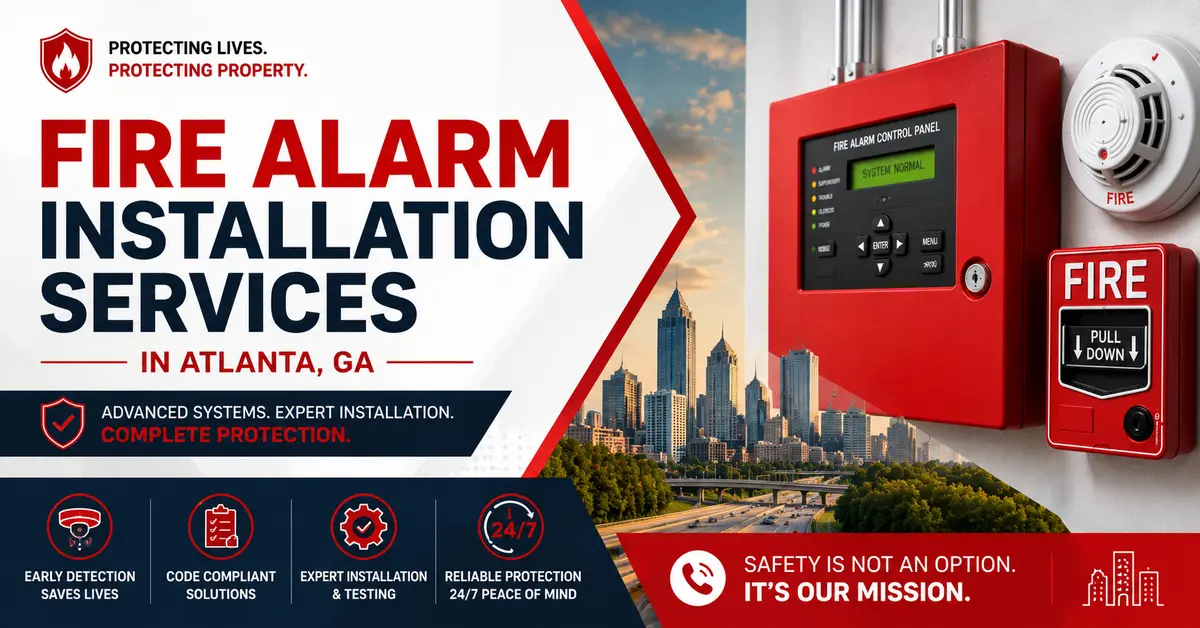
We’ve walked into Atlanta buildings where the fire alarm system on the wall hadn’t been touched since the late nineties. Detectors covered in dust, a control panel with warning lights nobody had looked at in years, and an owner who assumed everything was fine because nothing had gone off. That assumption is exactly how bad situations happen.
Fire alarm installation isn’t the kind of thing you set up and forget about forever. Systems age, buildings change, businesses grow into spaces that weren’t designed for what they’re being used for now, and a detector that worked fine when it went up ten years ago might not be doing much of anything today. We see this constantly across Atlanta, and it’s almost always a surprise to the property owner when we point it out.
If your building doesn’t have a current, properly installed, working fire alarm system, this guide is worth reading before you need it for real.
Why Fire Alarm Systems Are Essential for Safety
Atlanta has had enough serious fires in both residential and commercial properties to make one thing very clear. The buildings where people got out, and damage stayed contained, almost always had working detection systems. The ones where things went badly wrong almost always didn’t.
Early Detection Saves Lives
A working fire alarm installation catches a fire in the first two minutes, not the first ten. That gap sounds small until you understand how fast smoke moves through a building at night when everyone is asleep. Early detection is what gives people enough time to actually get out, not just enough time to realize something is wrong.
Property Protection
Calling the fire department while a fire is still small is a completely different situation from calling when it’s already spread through a floor. Buildings with properly functioning fire alarm systems consistently come out of fire incidents with less total damage because detection occurs early enough for a real response to make a difference.
Types of Fire Alarm Systems We Install
Picking the wrong system for the building you’re in is one of the most common and most expensive mistakes in fire alarm system installations. Here’s what’s actually available and what each one is built to do.
Conventional Systems
Conventional systems break the building into zones and tell the control panel which zone triggered. You know the general area, but not the specific device. These work well for smaller properties where zone-level information is detailed enough to respond quickly without needing to know the exact device that triggered.
Addressable Systems
Addressable systems tell you exactly which device triggered and where it sits in the building. In a large Atlanta commercial property with multiple floors and dozens of detectors, that specificity matters enormously. Your response team goes directly to the problem instead of searching an entire zone. These are the right calls for any building of real size and complexity.
Wireless Systems
Some Atlanta buildings simply can’t have cable pulled through the walls without tearing things apart. Historic properties, renovated spaces, buildings with construction that makes wiring impractical, wireless fire alarm installation covers those situations properly without the destruction and cost that a wired installation would require.
How Fire Alarm Installation Works
This is what happens when our team shows up to do a fire alarm installation service job properly, from start to finish.
We walk the entire property first, every room and every floor, before anything gets ordered or planned. We’re looking at how the space is used, where heat and smoke would travel in different fire scenarios, what the HVAC layout looks like, and where the obvious gaps in any existing coverage are. Skipping this step and just mounting devices wherever is convenient is how you end up with a system that fails an inspection or misses an actual fire.
Device placement follows specific rules about ceiling height, room dimensions, distance from HVAC vents, and proximity to areas where fire is most likely to start. None of that is guesswork, and none of it gets skipped on any job we do.
Once everything is installed, every single device gets tested individually. Every detector, every pull station, every connection to the control panel. Installing a fire alarm without doing that testing is like installing a seatbelt and never checking whether it actually locks. Permits get pulled on every commercial fire alarm installation we do in Atlanta because the city requires inspections, and that documentation matters for insurance, property sales, and compliance reviews down the road.
Signs You Need a Fire Alarm Installer in Atlanta
These are the situations that tell us a property needs immediate attention when we hear about them.
- The system hasn’t been tested or inspected in over a year
- Detectors are ten or more years old
- False alarms happen regularly without a clear reason
- Parts of the building have no coverage at all
- The control panel has warning lights that nobody has addressed
- The building was renovated but the alarm system wasn’t touched
- There’s no documentation on what system is installed or when it went in
- The business type or occupancy has changed since the system was originally installed
Any one of those is worth a call to a fire alarm installer in Atlanta before something forces the issue.
Security Fire Alarm Systems Installers: What Sets Professionals Apart
Sticking a detector on the ceiling is not the same as building a real fire alarm system. Good installers know how smoke moves, what the rules are in Atlanta, and how to set things up so the alarm only goes off when there is a real fire.
They also write everything down after the job is done. Every device and every wire gets recorded, so anyone who works on it later knows exactly what is there and why it was put that way.
Common Mistakes in Installing a Fire Alarm System
We get called in to assess systems that failed inspections or that aren’t performing correctly, and the same mistakes show up over and over.
Wrong Detector Chosen
Smoke detectors belong in most areas but not all of them. Kitchens, parking structures, dusty mechanical rooms, and industrial spaces need different detection technology. Putting a standard smoke detector in the wrong environment means constant false alarms or no alarm at all when conditions require it.
Devices Placed Wrong
A detector mounted directly next to an HVAC vent either misses smoke that gets pushed away from the sensor or triggers constantly from dust in the airflow. Either outcome defeats the purpose of having detection there at all.
No Real Testing Done
Fire alarm system installation that gets signed off without thorough point-by-point testing leaves wiring faults and communication failures that nobody discovers until there’s a real fire or a failed inspection. Testing isn’t a formality that can be rushed through at the end of a long installation day.
Permits Skipped
Commercial fire alarm system installation without permits means no official inspection and no compliance documentation. That gap surfaces during insurance audits, property sales, and fire marshal reviews in ways that are very difficult and very expensive to fix after the fact.
Benefits of Hiring Professional Fire Alarm Installers
A good fire alarm team builds a system for your building. They test everything before they leave and make sure it follows all the rules.
For businesses, a restaurant, a warehouse, and a store all have different rules for fire alarms. A good team knows all those rules already before they show up.
For homes, they put detectors in all the right places. When one alarm goes off, every alarm in the whole house goes off at the same time. That way nobody sleeps through a fire no matter where they are in the house.
FAQs
We fixed up our Atlanta space. Does the fire alarm need updating too?
Yes it does. Change the layout and the fire alarm has to match what’s there now.
How do we pick the right fire alarm system for our building?
We walk through your building first and then tell you exactly what fits your space.
Why do we keep getting false alarms every week?
Wrong detector type, too close to a vent, or the devices are just worn out and done.
Does a house need a different system than a business building?
They work differently, but both need to be put in right and tested before you walk away.
Conclusion
A fire alarm that looks fine can still fail when you need it most. Every room needs coverage, every device needs to connect, and the whole thing needs to be tested. Get it done right and you never have to worry about it letting you down.
Need Fire Alarm Installation in Atlanta?
Got an old fire alarm or no alarm at all? We come to your building, look at everything, and tell you what needs to happen. Call Local Electrical Maintenance and we will take care of it.